
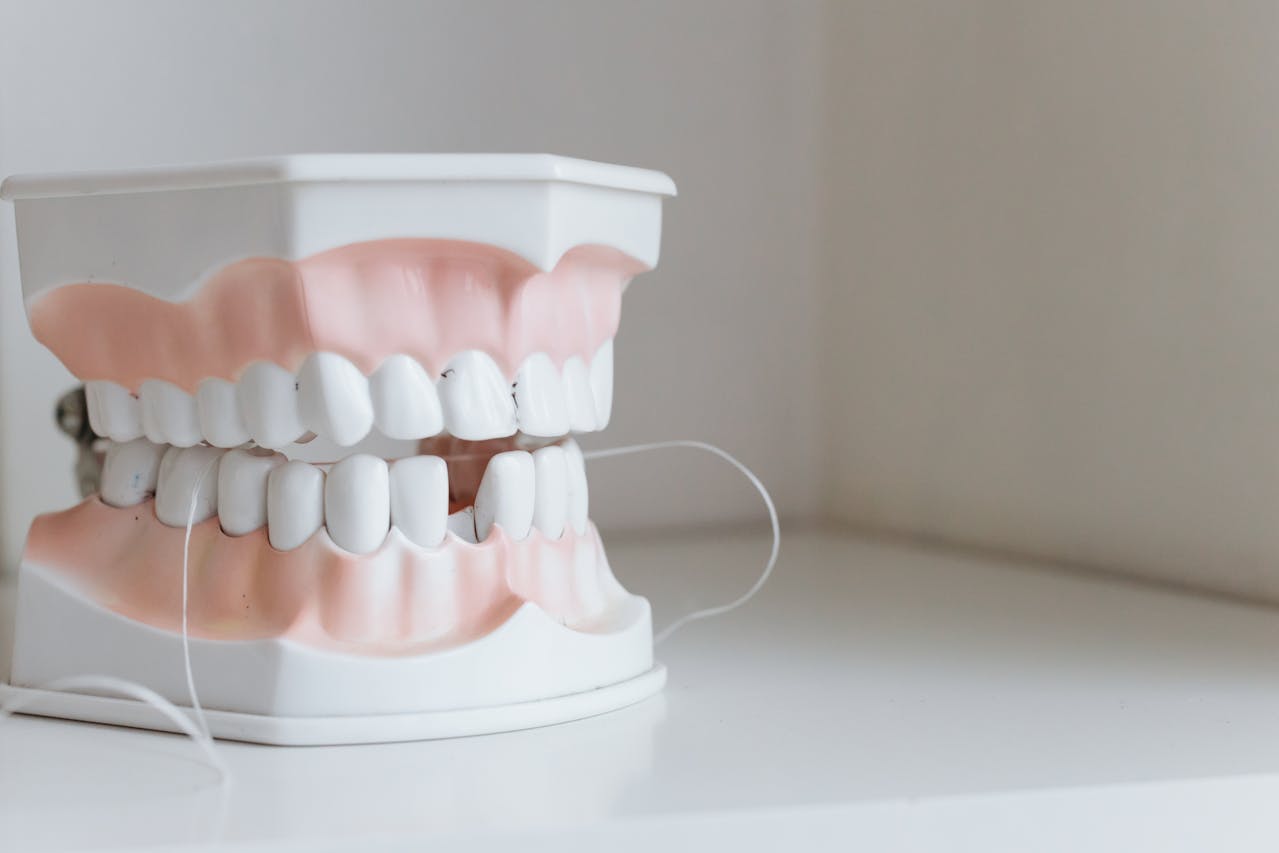
Maintaining dentures is often underestimated until small problems begin to affect comfort, speech, and daily confidence. Good oral appliance care is not just about appearance—it directly influences function, longevity, and overall oral health. Many people only start paying attention when discomfort arises, often searching for a quick false teeth fix without understanding that prevention is usually more effective than repair.
The reality is that dentures are precision-made devices that endure constant pressure, moisture exposure, and daily handling. Over time, even minor neglect can lead to cracks, looseness, or poor fit. These issues rarely appear suddenly; they develop gradually through small habits that seem harmless at first.
By learning how to properly maintain dentures, wearers can significantly reduce the need for repairs and improve daily comfort. A structured routine, combined with careful handling and awareness of early warning signs, can make a meaningful difference in long-term durability.
Why Proper Denture Maintenance Matters
Dentures are designed to replicate natural teeth, but they do not have the self-repairing capabilities of biological tissue. This means every aspect of their condition depends entirely on how they are used and maintained. Small stress points, if ignored, can evolve into structural damage that requires professional attention.
Poor maintenance does not only affect the denture itself. It can also impact gum health, bite alignment, and even digestion if chewing efficiency is reduced. When dentures do not fit properly, users may experience irritation or soreness that gradually worsens over time.
A consistent care routine helps maintain stability and reduces unnecessary strain on the appliance. This is especially important for long-term wearers who rely on dentures daily for speaking and eating comfortably.
Daily Cleaning Habits That Prevent Damage
One of the most effective ways to extend denture lifespan is through proper daily cleaning. Food particles, plaque, and bacteria can accumulate quickly, leading to staining, odour, and material weakening if not removed regularly.
Cleaning should always be gentle. Abrasive brushing or harsh chemicals can scratch the surface, making dentures more prone to damage over time. Instead, a soft brush and approved denture cleaner are typically recommended.
A simple routine often includes:
- Rinsing dentures after meals to remove loose debris
- Brushing gently using non-abrasive cleaning products
- Soaking them overnight in a suitable solution
- Rinsing thoroughly before reinsertion in the morning
Consistency is more important than intensity. Even a well-made appliance can deteriorate quickly if cleaning habits are irregular or overly aggressive.
It is also important to clean the gums, tongue, and palate. This supports overall oral hygiene and reduces bacterial buildup that can affect denture fit and comfort.
Safe Handling and Storage Practices
Many denture repairs are caused not by long-term wear but by accidental drops or improper storage. Handling dentures over hard surfaces like tiled floors or sinks increases the risk of breakage significantly.
A simple precaution is to always handle dentures over a folded towel or basin filled with water. This reduces the impact if they slip from your hands. It may seem minor, but it can prevent costly damage.
Storage is equally important. Dentures should not be left to dry out, as this can cause warping or loss of shape. Keeping them in a clean, damp environment or soaking solution helps maintain their structural integrity.
Avoid wrapping dentures in tissue or leaving them exposed on countertops. These habits increase contamination risk and accidental damage.
Eating Habits That Reduce Wear and Tear
Diet plays a major role in denture longevity. Hard, sticky, or overly chewy foods place additional pressure on the appliance, which can lead to cracks or loosening over time.
While dentures are designed to handle normal chewing, they are not indestructible. Being mindful of food choices helps reduce unnecessary stress on the structure.
Consider these practical eating adjustments:
- Cut tougher foods into smaller, manageable pieces
- Avoid chewing ice, hard sweets, or very sticky foods
- Distribute chewing evenly on both sides of the mouth
- Take smaller bites to reduce pressure during biting
These habits not only protect the dentures but also improve comfort during meals. Over time, they become second nature and significantly reduce the likelihood of mechanical damage.
Temperature extremes should also be approached with caution. Very hot foods can sometimes affect material stability, while extremely cold items may contribute to minor contraction in certain denture types.
When Minor Issues Turn Into Bigger Problems
Small changes in denture comfort are often early warning signs that something is beginning to shift. A slight looseness, subtle clicking sound, or mild discomfort should never be ignored.
Many wearers attempt a quick false teeth fix at home when issues first appear, but this can sometimes worsen the situation if underlying problems are structural rather than superficial. What feels like a minor adjustment need may actually indicate wear in the base or changes in gum structure.
If addressed early, many of these issues can be corrected easily by a dental professional. Delaying attention, however, can lead to fractures or the need for full replacement.
Regular self-checks help identify problems early. Pay attention to changes in fit, stability, or pressure points during daily use. These indicators often develop gradually and are easy to overlook without conscious awareness.
Professional Care and Routine Check-ups
Even with excellent home care, professional evaluations remain essential. Dentures naturally require periodic adjustment due to changes in gum and bone structure over time.
Routine check-ups allow for small refinements that improve fit and prevent long-term strain. These visits also help identify early signs of wear that may not be visible to the wearer.
Professionals can polish, realign, or repair minor damage before it becomes a larger issue. This proactive approach is significantly more cost-effective than waiting for a full breakdown.
Additionally, professional cleaning removes buildup that cannot always be eliminated through home care alone. This helps maintain both hygiene and appearance.
Common Mistakes That Lead to Frequent Repairs
Many denture issues arise from repeated everyday habits rather than single incidents. Understanding these mistakes can significantly reduce the need for repairs and extend appliance lifespan.
Common errors include:
- Using toothpaste or harsh household cleaners that damage surfaces
- Sleeping without proper soaking, leading to dryness and warping
- Attempting DIY adjustments instead of seeking professional help
- Ignoring early discomfort or fit changes
- Exposing dentures to heat sources like boiling water or direct sunlight
Avoiding these habits can dramatically improve durability and comfort. Most denture damage is preventable when users understand how sensitive the material and structure actually are.
It is also worth noting that natural changes in the mouth can affect fit over time. Gum recession and bone resorption are common, and these changes require professional monitoring rather than temporary home solutions.
In many cases, wearers only seek help when issues become unavoidable, often after trying repeated at-home adjustments. A more proactive approach ensures stability and reduces the likelihood of unexpected failures.
Ultimately, long-lasting dentures depend on a balance of daily care, mindful use, and professional oversight. When these elements work together, the need for repairs decreases significantly, and overall comfort improves.
Careful maintenance is not just about preserving the appliance—it directly supports confidence, oral function, and quality of life over time.